

Printing, Travelling by Bus, Studying in the Library
At the fourth and fifth Student Parliament (StuPa) meetings of the 2025/26 winter semester, the new Queer Affairs Working Group was established and the following topics were addressed in motions:
Time pressures when travelling by bus and when evaluating courses
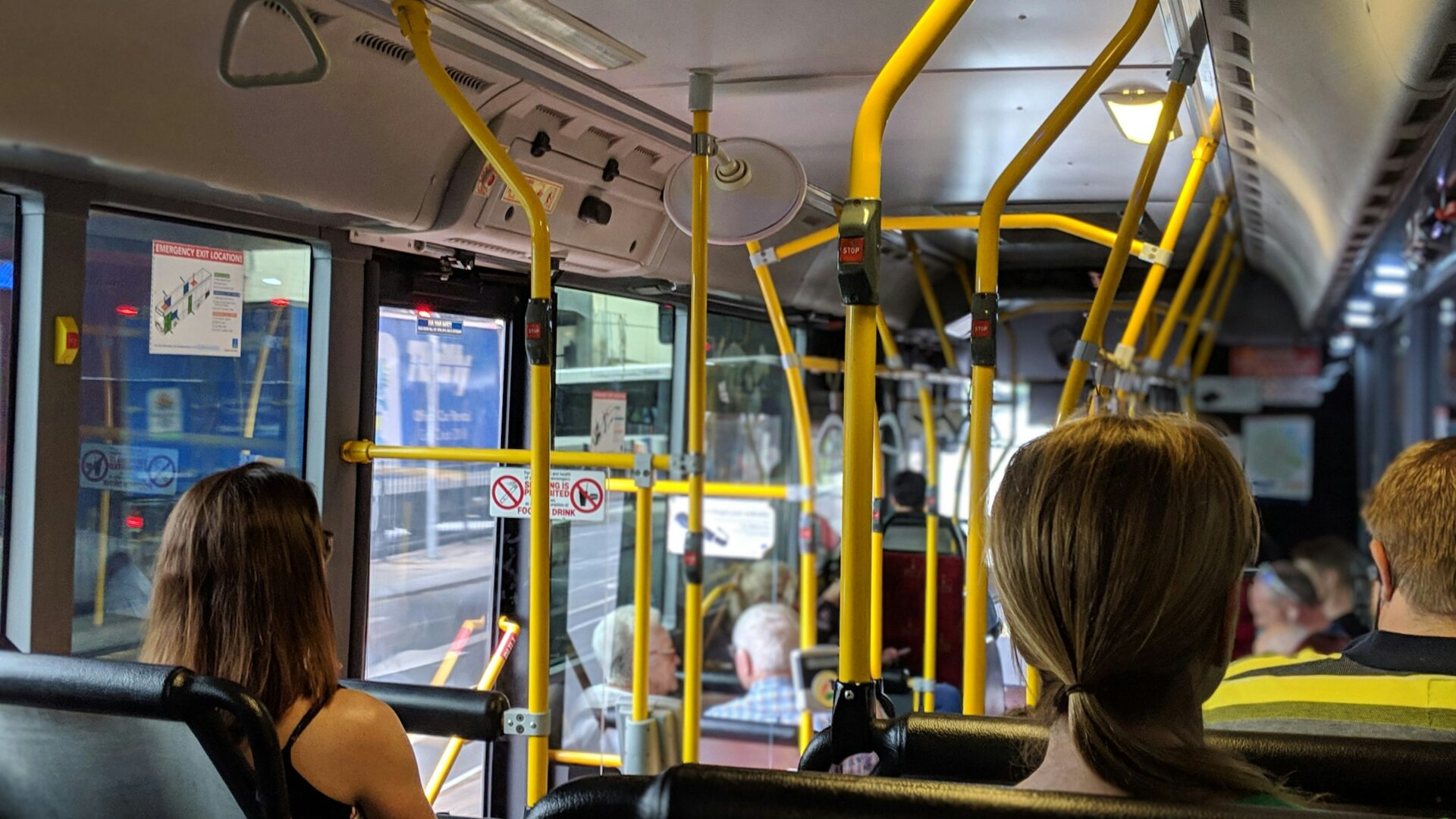
Taking courses at different locations across the city and wanting to take the bus from A to B can be difficult. Whether it’s the departure times of the 931 bus to Feki, which cannot be caught after a course in the city centre, the buses from Feki to Erba, which often leave too early; or the inadequate connections on Gutenbergstraße – such difficulties were compiled following a motion by the Juso University Group and reported to the city’s public transport authority.
Another Juso motion criticises the fact that course evaluations are currently carried out too early. When students are asked to evaluate their courses towards the end of the lecture period, they cannot yet assess aspects that only become relevant during the lecture-free period, such as supervision for coursework. The StuPa is therefore calling on the Ausschuss für Studium und Lehre (committee for studies and teaching) to review the timing of course evaluations in light of this.
Printing at the university
As mentioned in the last blog post, the requirement to submit all final theses in printed form as well as digitally has finally been abolished. A motion by the Juso University Group called for the same ruling to apply to coursework but was withdrawn following a tied vote between the ‘yes’ and ‘no’ camps, before a second vote could take place.
An approved motion by the RCDS University Group also addressed the issue of printing: According to this motion, all students should be able to print up to 50 pages in black and white per semester free of charge.
Summer and winter issues
During the university library’s winter break, opening hours at library branches were severely restricted, and there were days when even those libraries that are normally open 24 hours a day were closed. This caused difficulties for students preparing for exams. In a motion tabled by the WIAI student council, the StuPa is therefore calling for extended opening hours during the winter break.
Let’s change seasons: An RCDS motion called for the installation of free sun cream dispensers at various university locations, but failed to secure a majority in the Student Parliament.
Flood prevention – construction site by the river
To meet requirements relating to flood prevention and environmental protection, the town of Bamberg is planning extensive construction work on a “Tiefensammler” (an underground rainwater retention channel) in eastern Bamberg. This work will also affect the Adenauerufer, and thus an important cycle path, as well as the social hub around the Kunni kiosk. Various civil-society groups have criticised not only the aforementioned consequences of the construction project but also the fact that the public had been insufficiently engaged and informed in the run-up to the project. The Student Parliament echoes this criticism and particularly emphasises the importance of public spaces for student life.
You can find more information about the deep collector and the information events now planned by the city here (only available in German).
Support for the “Canteen Revolution”
In the past, the Bamberg Canteen Initiative has already campaigned to make the canteen menu more sustainable, for example by expanding the range of vegan options. Now, following a motion by the Canteen Initiative, Bamberg Student Representation is backing the nationwide list of demands put forward by the “Canteen Revolution” initiative (only available in German), which aims to bring about a sustainable transformation of university catering. For example, particularly climate-friendly dishes are to be offered at a lower price than other dishes, and special attention is to be paid to fair and organic production when sourcing ingredients. However, there are also somewhat broader demands, such as opening canteens outside of food service hours as student lounges and study spaces.
Structures of Student Representation
Three motions concerned the work of Student Representation itself, such as the rules of procedure of the Student Parliament: Currently, these provide for a flexible quota during debates. This means that when people put their names forward, for example to debate a motion, a FINTA* speaking list and an open speaking list are maintained, from which speakers are called upon alternately. Due to the flexible quota system, even when the FINTA* speaking list is exhausted, all those on the open speaking list may still be called upon. A motion from the Equal Opportunities Working Group proposed a switch to a strict quota system. Under this system, once the FINTA* speaking list has been exhausted, the remainder of the open speaking list would no longer be called upon, although FINTA* members could request that these speakers be admitted nonetheless. While the motion for a strict quota system received a majority of the votes cast, a two-thirds majority is required not only of those present but of all members of the Student Parliament in order to amend the rules of procedure. This requirement was not met, so the Student Parliament will continue to use the flexible quota system for the time being.
Another proposed change came from the PIKSI University Group. Currently, members of the Speakers Council and the Student Parliament chairs are entitled to claim an allowance of 120 euros per year. The Student Parliament voted in favour of a motion to increase this allowance and extend it to Student Council speakers and the speakers of the Teachers’ Education Working Group, provided that the necessary funds can be secured from the Zentrale Zuschusskommission (central grants commission). The aim is to make getting involved in Student Representation more accessible, as those who need a part-time job to finance their studies often find it difficult to find the time to take on such voluntary work as well.
Finally, on the subject of finances: The StuPa unanimously approved the draft budget presented by the Speakers Council (Sprat). The Sprat had drawn up the draft in collaboration with the student working groups, each of which has a budget at its disposal. They can now use this budget for their work, for example to organise events. In total, the budget for the year 2026 amounts to 35,360 euros.
